Eleven years ago, on the day I graduated from university, I felt something I'd been waiting for my entire life:
No one can control me anymore.
No parents setting schedules. No school rules. No social expectations mapped out in advance. I was finally free.
And I had absolutely no idea who I was.
The Cage That Came With the Freedom
I couldn't write a self-introduction. I rejected my past — the version of me that had existed inside all those structures — but I couldn't name anything to replace it. It felt like life was starting now, like everything before had been a rehearsal for something I didn't yet know how to perform.
I was excited. I was lost. At times, I even envied people in structured situations — at least they were learning to survive within constraints, finding meaning in their limitations. I was standing in the sunlight and couldn't see the path.
The strange thing is that I knew exactly what I didn't want. When my relatives tried to arrange jobs for me, I rejected them all. My family said I was being too picky. But looking back, those refusals were the first honest things I ever said about myself. I didn't know who I was, but I knew what wasn't me. That clarity, uncomfortable as it felt, turned out to be the beginning of something.
If that feeling of being free but directionless sounds familiar, I wrote about what came after — the plan I made to die at thirty, and what a roommate in Paris said that changed it.
The Sentence That Unlocked Things
In design school, we were assigned to redesign a small but recognizable brand as a semester project. I tried big obvious choices — Google, before their redesign — but the school rejected my first three attempts. I was stuck.
A Taiwanese artist friend gave me something that stayed: "Choose brands you can't remember. Those are the ones that need fixing."
That sentence unlocked something in me. Not just for the project — for how I thought about everything. The invisible things, the overlooked things, the things people had given up on improving. That's where the work actually is.
I passed the project. And years later, in every professional crisis, I hear that sentence again.
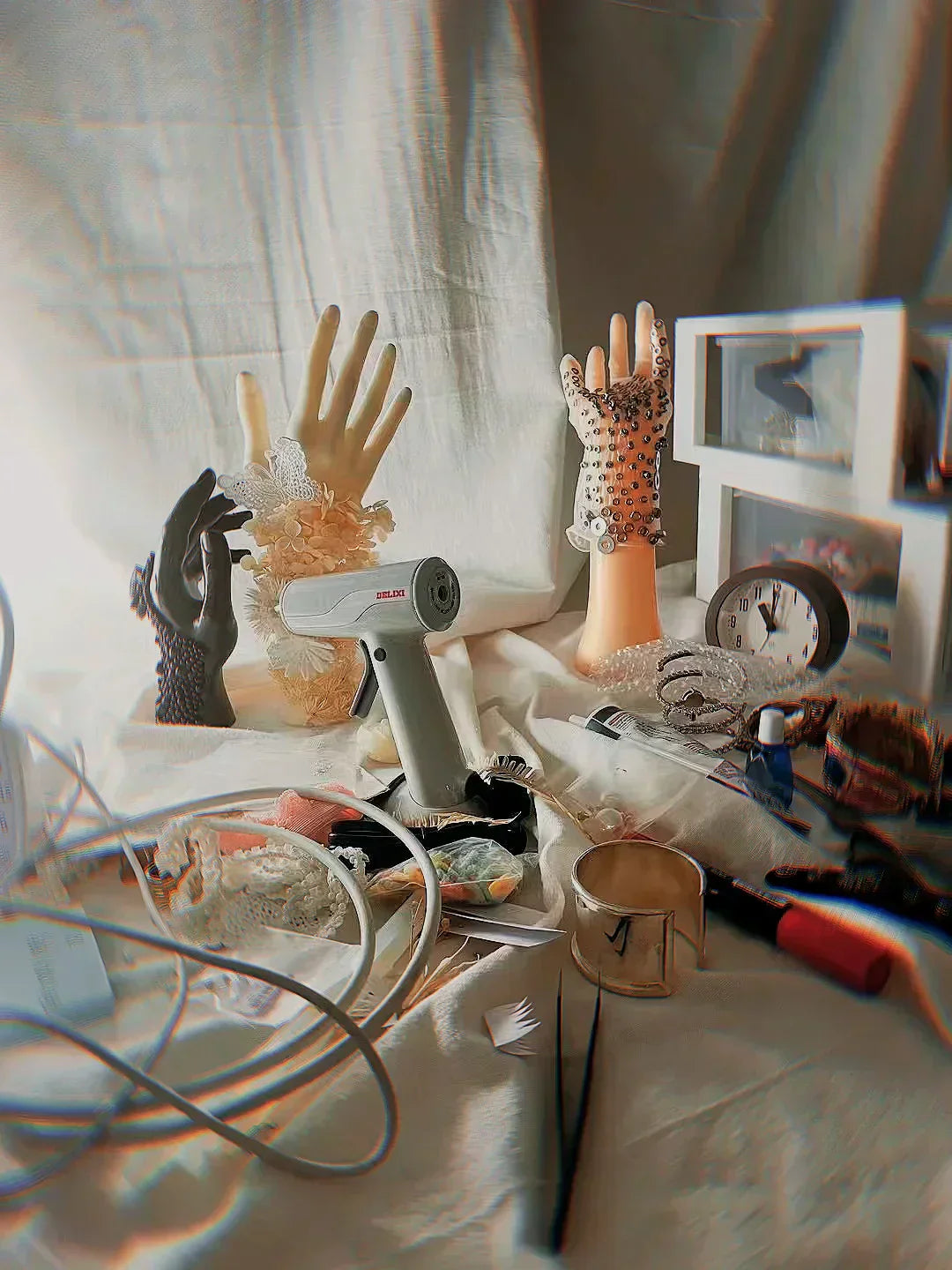
The First Things I Made When I Stepped Out of the Cage
What the Cage Actually Was
The mental cage wasn't the expectations themselves. It was my own acceptance of them as the only possible reality — the belief that freedom meant choosing between the options other people had already laid out.
The moment I realized I could reject all of them, and keep rejecting until I found something that was actually mine, was the moment the cage opened. Not dramatically. Just quietly, like a door that had always been unlocked.
I still don't have a final answer to "who am I?" I've stopped expecting to arrive at one. But I know the difference between living inside someone else's definition and building your own — slowly, through trial and error, through making things and seeing what they tell you about yourself.
Fairies Whisper came out of that process. The longer version of how I stopped following other people's meaning and started building my own is here.
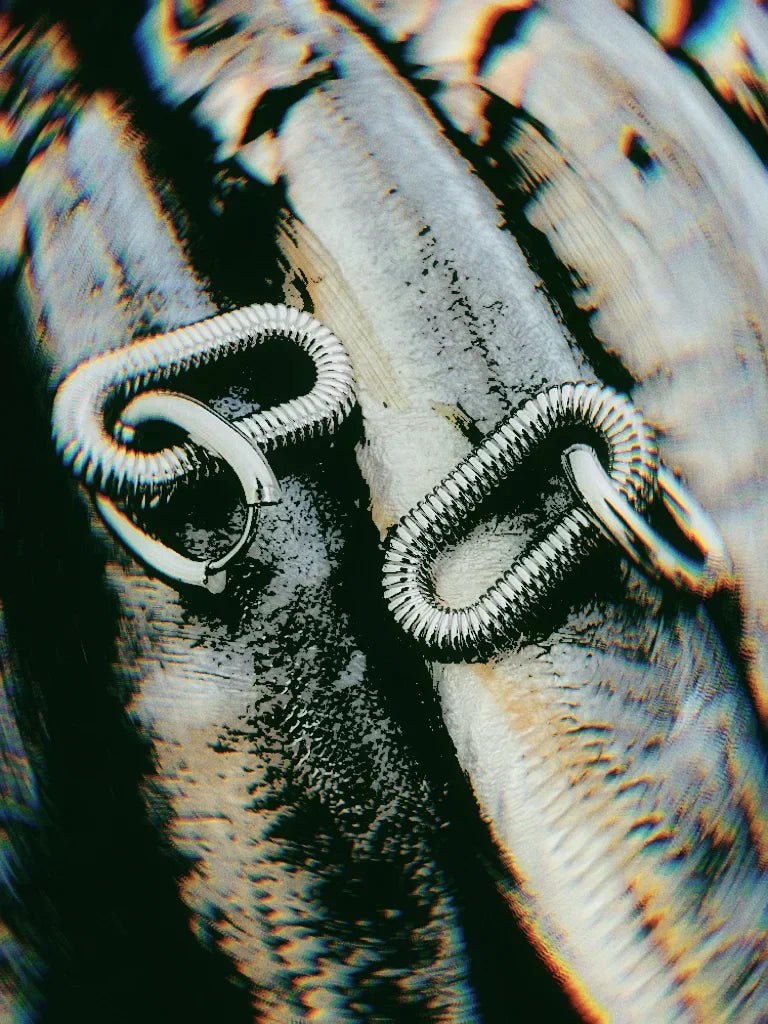
The first ring I designed for myself — the Gold Shield Ring — is still one of my favorites. Not because it's technically perfect. Because it was the first truly self-chosen thing I made.
Ren — founder of Fairies Whisper. Still figuring it out. Still making things that are mine.

Leave a comment
This site is protected by hCaptcha and the hCaptcha Privacy Policy and Terms of Service apply.