
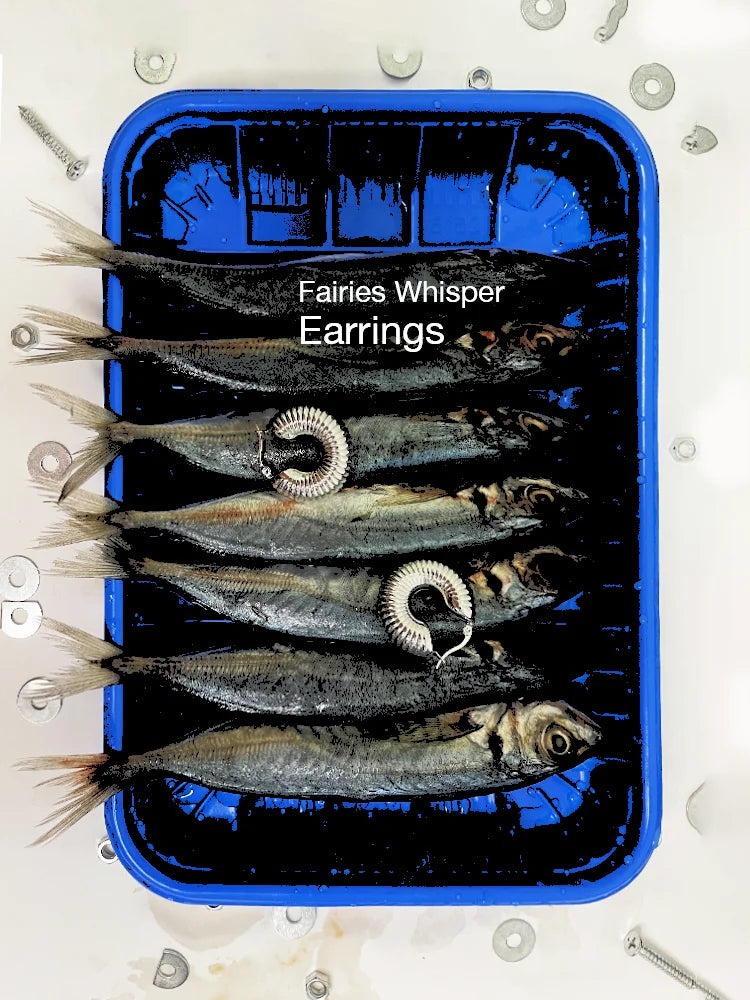
Every few months, someone tells me I need to adapt.
Adapt to the algorithm. Adapt to trending styles. Adapt to what's selling. Adapt to the era.
I've heard it from investors, from peers, from well-meaning friends who watch my numbers and think they're seeing the full picture. And every time, I feel the same thing — not resistance exactly, but a quiet, stubborn certainty:
I'm not interested in adapting to this era. I'm interested in reshaping it.
What Adapting Actually Means
I studied luxury design in Paris. Every week, we studied the brands that had survived — Chanel, Hermès, Cartier. What struck me wasn't how much they adapted to trends. It was how little they did.
They understood something most people miss: adapting to an era means disappearing into it. The brands that last are the ones that make the era adapt to them — slowly, quietly, by being so consistent and clear in their point of view that eventually the world comes around.
That's the kind of brand I want to build. Read more about why I left Paris luxury and started building something different.
The Specific Thing I Refuse to Adapt To
Here's what bothers me most about the current era of jewelry:
Everything is designed to be bought once and forgotten. Fast fashion jewelry — thin plating, weak clasps, pieces that tarnish in two weeks and get thrown away. The whole model is built on you coming back because the last thing broke.
That's not design. That's a subscription model disguised as a product.
I'm building something different. I test every piece on my own face and body before it ships. I write honestly about what doesn't work. I tell you when a design has limitations. Because I'd rather lose one sale than have you receive something that disappoints you.
That's not how you optimize for the algorithm. But it's how you build something that lasts.
Pieces Built to Last — Not to Be Replaced
What "Reshaping" Actually Looks Like
It's not dramatic. It's not a manifesto nailed to a cathedral door.
It looks like: selling $20 jewelry with the same seriousness I'd give to a €2,000 piece. Writing the kind of honest product notes that most brands are afraid to publish. Building a collection that treats affordable and quality as compatible ideas rather than opposites.
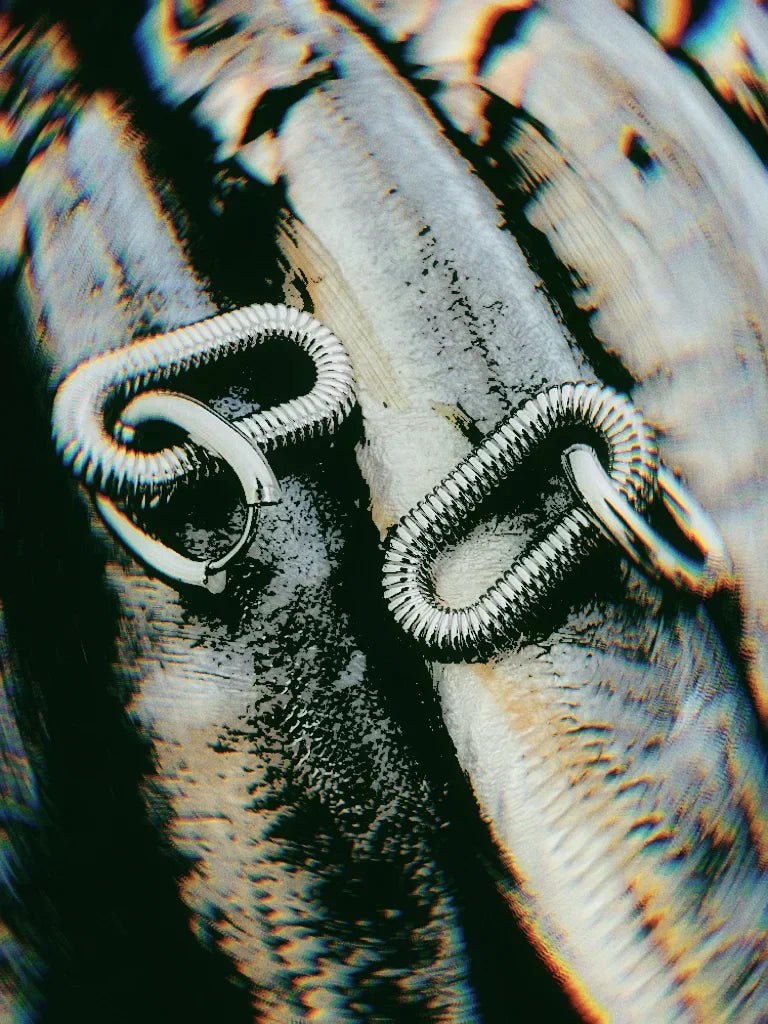
It looks like the Feast series — gold-toned jewelry mixed with fast-food visual language, mocking the tired pomp of traditional luxury. Or the Fish Market series — inspired by grocery shopping, using the iridescent textures of seafood skins as the conceptual starting point for silver jewelry. That whole story is here.
It looks like writing this instead of posting another product photo.
Who This Is For
If you've read this far, you're probably not the kind of person who buys jewelry because an influencer told you to.
You have your own point of view. You want things that reflect it — not things that reflect whatever was trending last Tuesday. You're practical enough to know that expensive doesn't mean good, and smart enough to recognize quality when you hold it.
That's who I make things for. Not the era. You.
Ren — founder of Fairies Whisper. Still not adapting. Still here.


Leave a comment
This site is protected by hCaptcha and the hCaptcha Privacy Policy and Terms of Service apply.